Wednesday, 6 November 2013

YOU TOO CAN HAVE BROWN ROT ON YOUR APPLES

BROWN ROT ON APPLES, WE ALL HAVE IT, DON'T WE?


The ones who got away
I have the dreaded Brown Rot every year in the garden.  Of the three trees, the cooker gets the rot worst, then the early eater, Greensleeves, and then the late eater, which I think has a thicker skin.  Maybe I should get a thicker skin too, because I find the appearance of the rot most distressing, and nary a year passes without its presence.


APPLES IN 2013 WERE FINE TO START WITH, AFTER A LATE SPRING


Apparently the rot is a fungal disease, according to a helpful leaflet from the Royal Horticultural Society entitled (wait for it) 'Brown Rot'.

The leaflet explains that it affects apples, pears, plums, cherries and other fruit. You can't win.


PLUMS GET IT TOO


My plums, supposedly Marjorie's Seedling, had the rots so bad that I got not a single plum to eat this year.  The plum tree is on the allotment, and I chose this variety because it is said to have some resistance to rot, but not a bit of it.  The tree is the object of my displeasure and if it does not behave itself, it is for the chop.


THE SYMPTOMS OF BROWN ROT


It spreads out "from wounds, especially those made by birds, codling moth and apple scab infection".

The fruit may "remain hanging on the tree in a mummified state"

Yes, I get the mummies, and I pick off the apple mummies, but the plums?  The tree is too big for me to reach them.


THE WEATHER WAS HOT AND DRY THIS SUMMER


I though that might stop the rot, but no.  I think I spent many happy hours crawling on all fours, picking up the rotten fruit from under the trees.  Apparently this is what you do, and you must remove it promptly, according the the RHS.
This is just some of them, there were more!


NETS TO STOP THE DEAR LITTLE BIRDS DAMAGING THE APPLES


If possible, I should 'net to reduce bird damage'.  Easier said than done, when you have three apple trees and your collection of rather ragged nets is in use on the raspberries and strawberries at the crucial time.  Maybe I should just fork out for more nets ......  ££££


BONFIRES NOT ALLOWED


I should also "prune out and burn infected spurs and blossoms to reduce the amount of fungus available to infect fruit".   Sounds good, but where do you burn the spurs and blossoms?  There are not many of these spurs, so not enough for a bonfire, and in any case we are not supposed to light bonfires on our allotments otherwise we might annoy the neighbours.
Last of the early eaters


FINALLY,  JUST TO CHEER US ALL UP


Note this:  'the fungus remains in the dead fruit and cankers over winter and releases spores in the spring to cause the blossom wilt phase of the disease."  

Well, this particular blossom is feeling decidedly wilted, just thinking of all the extra work next spring!


RATS


We have got quite a few apples, nevertheless and am still eating them.  There is nowhere much to store them, since they have to be stored in the house.  

One year I put the apples in the greenhouse, while we were away on an autumn break, and found lots of nibbles had been taken out of them when we got back.  Mice, I though?  

That year I then put the apples in the house and so the RATS moved in too!  We had an invasion of rats, who gnawed any apple they could find, even gnawing away at the carpet by the closed door of the room where they could smell the apples. Trying the get through the gap at the bottom of the door.

So (its a long story) we blocked up every possible hole where the rats gained entrance, and are very wary of where we store our apples now.
The last apple of 2013

Monday, 28 October 2013

GARDENERS MIGHT GARDEN IN NORTH CYPRUS, BUT I DID NOT SEE ANY

NORTH CYPRUS WHERE LOTS OF BRITS HANG OUT


We spent a week there recently, and I took as many photos as I could, of gardens and plants.

Dotted about were a few nice little green corners.
In the old city of Famagusta

FAMAGUSTA Or as it is known, Gazimağusa


What a strange place is Famagusta.   The centre is very old but there are of course widely spread modern outskirts to the small ancient city  enclosed in fortifications.  I say city, because it has a beautiful cathedral, in gothic style, which is now a mosque.

GARDENERS

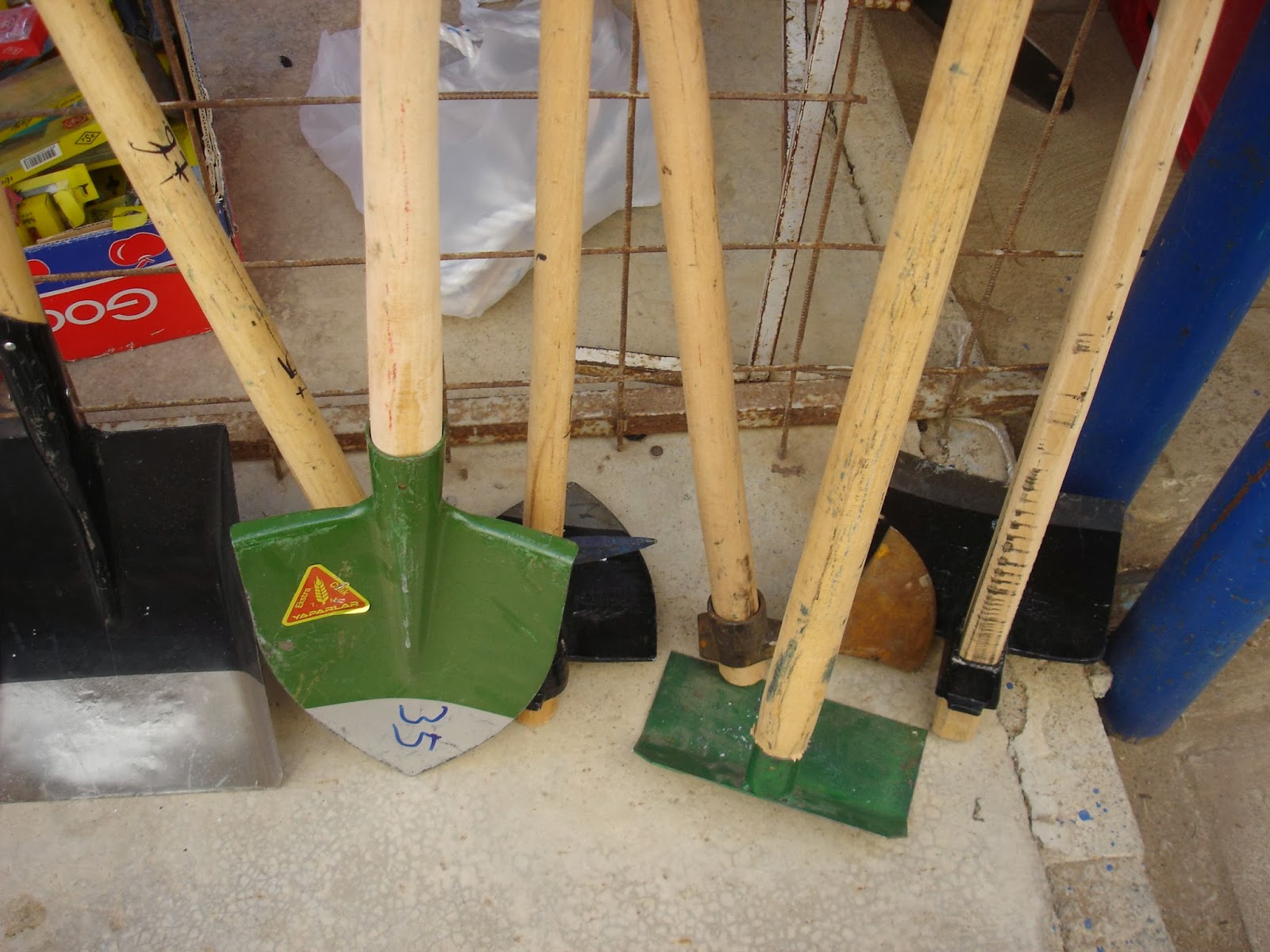
There must be some, or rather maybe they are farmers, for I saw these very macho tools on sale in the market.


THURSDAY IS MARKET DAY 

If you ask the taxi driver for the market, they usually take you to a supermarket, so you have to be specific.

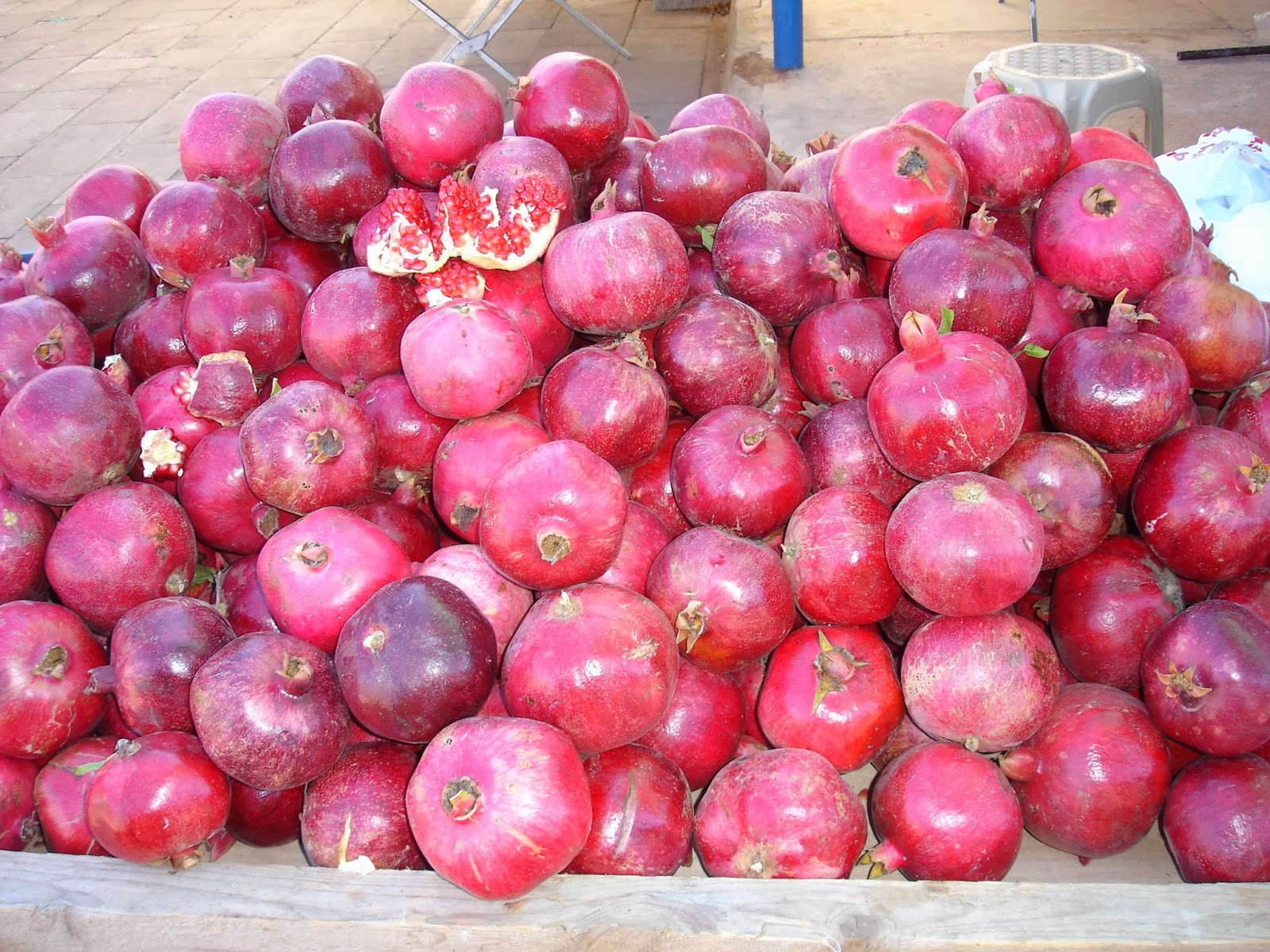
It is held outside the old town.  I expected more of a mix of stalls, but it was almost all vegetables and fruit. And what huge fruits!

Plums


Green beans and ocra
Pomegranates

Peppers, aubergines, chillies

Courgette flowers, spinach


Never seen such huge pomegranates, beans, tomatoes, aubergines, they have the lot there.  
Also honey is available in various size jars, unfortunately I am not allowed to bring heavy stuff like jars of honey back to the UK!

There was a bird stall, and a flower stall - by flowers I mean garden plants and small trees.  This is the only place where I saw a lot of flowering plants, so someone somewhere has a garden where they grow things like buzzy lizzies, just like they do in the UK.  If I lived there, I would certainly buy some of the little junipers, or are they cypresses, the ones that grow in tall thin needle shapes.
azalias and roses

cypresses

just like gardening in the UK, maybe


In the old city itself I saw these prickly aloes or agaves or - well not sure what they are called.  There was a garden, a planting of trees and shrubs just at the foot of the walled fortified city.  This was the most attractive part of the old Famagusta.
Rosemary and lavenders by the city walls

Very spikey

Walking in the centre, I noticed these plant pots, in some of them someone optimistically had tried to grow something green, but then given up the ghost.  Yet further along, were some fine ferns.  One thing is obvious, even in the Med plants need some TLC.
Some tried...

Some succeeded...

These exotic plants are loofas, they are growing up a tree, not far from our hotel.  They have attractive leaves too.  

loofas
And here are the dried loofahs, being sold by the roadside in old Famagust.  Maybe I should have bought one.


Other strange plants caught my eye, in these photos.  No idea what they are, though.


SALAMIS - ANCIENT ROMAN CITY OUTSIDE FAMAGUSTA


The snails of Salamis are intriguing, they are a pretty white, and they do not seem to move about, just snooze in the lovely hot sun.
The snails of Salamis

We spent a couple of hours at the ancient ruins of Salamis, most of it dated from Roman times.  The Roman baths were in good nick, but the statues dotted here and there had their faces removed, apparently this was done by the following hoards of invaders, such as the Christians (Venetians, I believe), the Ottomans, etc:  there was a lot of movement of various civilizations into this island of Cyprus.